Trusted by 10 Lakh+ Indian Men
Free, Fast, & Discreet Delivery
Trusted by 10 Lakh+ Indian Men
Free, Fast, & Discreet Delivery
Trusted by 10 Lakh+ Indian Men
Free, Fast, & Discreet Delivery
The phrase “no days off” has become all too common in today’s fast-paced world, wher...
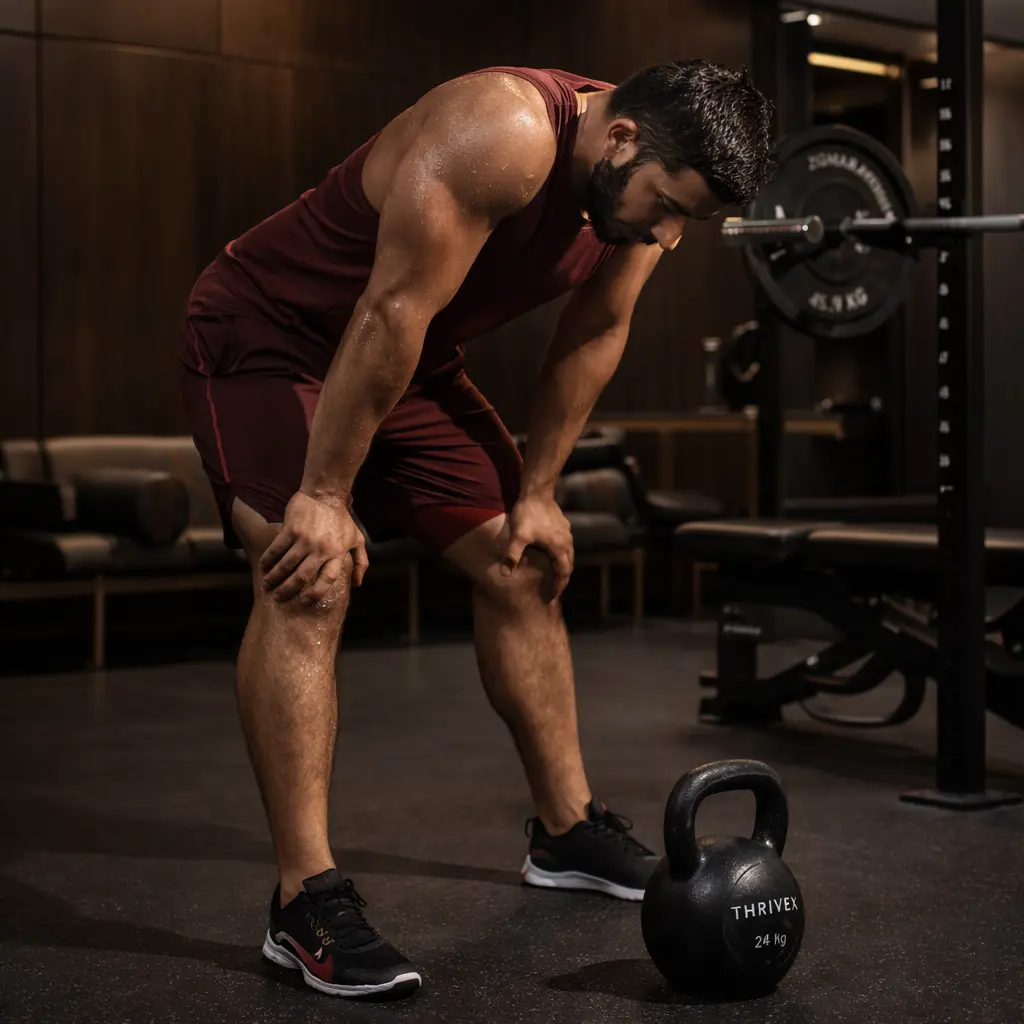
The phrase “no days off” has become all too common in today’s fast-paced world, where men often push themselves nonstop, whether it’s work or workouts. However, lately, there has been a noticeable shift, with more men recognising the importance of rest and recovery, rather than constantly running on empty.
What that means is men are prioritising their days off and taking it pretty seriously. While men were earlier wearing their exhaustion like a badge of honour, they are now taking a back seat to relax and treating it as essential and not an option.
Here’s the low-down.
The old approach focused on intensity. The new approach focuses on sustainability.
More men are now asking:
Why am I always tired despite working out regularly?
Why is my progress stuck?
Why does my body feel constantly sore or fatigued?
The answer often isn’t more effort; it’s better recovery.
Because without proper rest, your body doesn’t get the chance to rebuild, repair, and grow stronger.
When you train, you’re essentially creating stress in your body which include tiny muscle tears, energy depletion, and hormonal changes.
Recovery is when your body:
Repairs muscle fibers (leading to growth)
Restores energy levels
Balances hormones like testosterone and cortisol
Reduces inflammation
Without this phase, your body stays in a constant state of stress and that’s when progress slows down.
Pushing your body too hard without enough recovery can lead to:
Constant fatigue
Poor performance in workouts
Increased risk of injury
Sleep issues
Hormonal imbalances
Ironically, doing more can actually give you less results.
That’s why recovery is no longer seen as “taking it easy” it’s now seen as training smarter.

If there’s one habit that defines recovery, it’s sleep.
Quality sleep helps:
Boost muscle repair
Support testosterone production
Improve focus and energy
Regulate appetite and metabolism
Men who consistently get 7–8 hours of sleep tend to see better results—not just physically, but mentally too.
Recovery doesn’t always mean lying in bed all day.
In fact, active recovery can be even more effective.
This includes:
Light walks
Stretching or mobility work
Yoga
Low-intensity workouts
These activities improve blood flow, reduce stiffness, and help your body recover faster.

What you eat plays a huge role in how well your body recovers.
Your body needs:
Protein to repair muscle
Healthy fats for hormone balance
Micronutrients to support recovery processes
Skipping meals or under-eating can delay recovery and impact performance.
Physical stress from workouts isn’t the only factor—mental stress matters too.
High stress levels increase cortisol, which can:
Slow down muscle recovery
Promote fat storage (especially belly fat)
Affect sleep quality
Simple habits like taking breaks, getting sunlight, or unplugging from screens can significantly improve recovery.
Here’s the surprising part:
Men who focus on recovery often:
✔ Perform better in workouts
✔ Build muscle more effectively
✔ Have higher energy levels
✔ Stay more consistent
Because when your body feels good, you train better.
If you’re experiencing:
Constant soreness
Low motivation
Poor sleep
Plateaued results
Feeling “burnt out”
…it might not be a lack of effort—it might be a lack of recovery.
You don’t need a complete lifestyle overhaul. Start with the basics:
Prioritize 7–8 hours of sleep
Add 1–2 rest days per week
Include light movement on recovery days
Stay hydrated
Eat balanced, nutrient-rich meals
Manage stress levels
Consistency with these habits makes a bigger difference than pushing harder.
In today’s wellness world, strength isn’t just about lifting heavier—it’s about lasting longer, performing better, and staying consistent.
And that only happens when your body is supported—not overworked.

-w1920xh1080-q_80-resize_1-fm_webp-orext_png.webp)
-w1920xh1080-q_80-resize_1-fm_webp-orext_png.webp)