Trusted by 10 Lakh+ Indian Men
Free, Fast, & Discreet Delivery
Trusted by 10 Lakh+ Indian Men
Free, Fast, & Discreet Delivery
Trusted by 10 Lakh+ Indian Men
Free, Fast, & Discreet Delivery
Hair thinning can feel genuinely unsettling sometimes even overwhelming especially when it’s the...
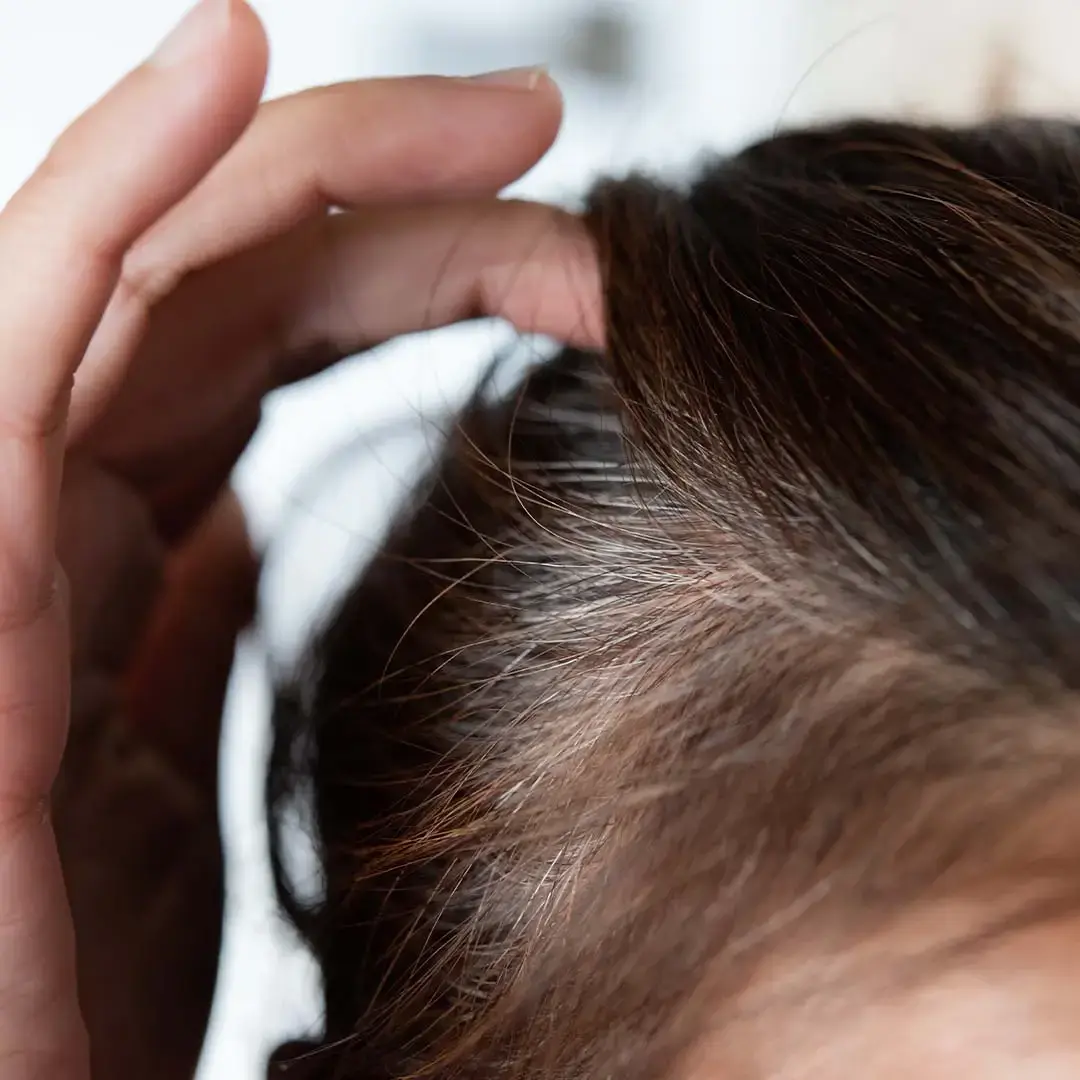
Hair thinning can feel genuinely unsettling sometimes even overwhelming especially when it’s the first thing you notice every time you look in the mirror. It doesn’t just feel “personal”; for many men, hair is tied closely to confidence, youth, and identity. So even minor changes extra shedding, a widening part, a slightly higher hairline can trigger a rush of worry: Is this aging? Is something wrong with my health? Is this going to get worse?
The good news is, not every hair fall story is a crisis. Many cases are linked to everyday factors like stress, poor sleep, nutrition gaps, scalp inflammation, or inconsistent routines and with the right combination of diet, lifestyle upgrades, and targeted hair care, it’s often possible to slow it down or even reverse the early signs. Still, men tend to brush it off for too long partly because life is busy, and partly because admitting concern about hair feels “unimportant” compared to work, responsibilities, and everything else. But the truth is: the earlier you act, the easier it is to protect your hair and your confidence.
This guide breaks hair thinning into four practical stages and gives you a stage-wise routine that fits real life in 2026: simple habits, realistic timelines, and what to focus on now vs later.
Before you change everything, take 2 minutes:
Compare photos (same lighting, same hairstyle) from 3–6 months ago
Check for increased scalp visibility at the crown or part line
Notice if your hairline shape is changing (temples creeping back)
Watch for shorter, thinner “mini” hairs near the hairline
Also remember: shedding spikes can happen from stress, illness, poor sleep, crash diets, dandruff, or a new medication. If hair loss suddenly jumps a lot over 1–2 months, treat that as a separate issue to investigate.

In 2026, the best results come from stacking small, proven actions:
Scalp environment (clean + calm)
Follicle stimulation (consistent routine)
Nutrition support (daily basics)
Lifestyle triggers (sleep, stress, smoking, crash dieting)
You don’t need 12 products. You need consistency with the right 3–4 actions.
Slight recession at temples
Hair feels less dense when you style
More hair on pillow/drain, but scalp isn’t obvious
Protect density + reduce inflammation + build a routine before it accelerates.
Daily
Gentle shampoo 2–4x/week (don’t over-strip)
Scalp massage 2 minutes (in shower or dry)
Nutrition baseline: protein + micronutrients (or a daily hair-support supplement)
Weekly
Anti-dandruff/anti-inflammatory shampoo 1–2x/week if you have flakes/itch (dandruff can amplify shedding)
2–4 weeks: scalp feels calmer, less itch/flaking
8–12 weeks: shedding often feels more controlled
3–6 months: early density maintenance shows best
Don’t do yet: heavy routines, too many actives at once, aggressive oiling + harsh shampoos.
Stage 2: Visible thinning (you can see scalp in certain light)
Thinning at crown or frontal area is noticeable in photos
Styling takes more effort
Hairline recession is clearer
Stop the slide + support regrowth potential with consistent stimulation.
Daily
Scalp routine consistency (same time daily after shower works best)
Add a proven topical approach if you’re a candidate (many men consider minoxidil-based routines at this stage; choose what’s suitable for you)
3–4x/week
Strength-training or brisk walking (supports stress hormones, circulation, sleep)
Weekly
Microneedling (optional) 1x/week (only if you’re confident and hygienic this is where many men see improved response when done correctly)
4–8 weeks: less shedding, better texture
12–16 weeks: early “baby hair” signs can appear
6 months: visible improvement if you’ve been consistent
Don’t do: switch products every 2 weeks. Hair responds slowly routine wins.
Wider crown, thinner top
Hairline + crown thinning together
You’re using angles, hats, or fibers often
Stabilize first. Then improve what’s possible.
At Stage 3, the biggest mistake is chasing “instant regrowth hacks.” The move is to build a stability plan and track.
Daily
Stick with a consistent topical + scalp routine
Support with daily nutrition (don’t under-eat; avoid crash dieting)
Weekly
Consider clinical support options: dermatologist consult, trichoscopy, bloodwork (vitamin D, iron/ferritin, thyroid markers when relevant)
Lifestyle non-negotiables
7+ hours sleep
Reduce smoking/vaping if applicable
Avoid extreme calorie deficits
3 months: shedding control + better manageability
6 months: best view of “what you can get back”
9–12 months: peak results for many routines
Don’t do: rely only on vitamins and hope. Stage 3 needs a stronger, consistent plan.
Top is much thinner than sides/back
Scalp dominates in bright light
You’re considering a buzz cut or transplant
Choose a strategy that matches your lifestyle and confidence.
Stage 4 is where men often feel defeated but you still have options. The key is being honest about what you want:
Maintenance path: keep what you have, reduce progression
Aesthetic path: shorter haircut, clean styling, fibers when needed
Clinical path: professional evaluation for advanced treatments
Surgical path: consider transplant only after proper consult + stability plan
0–3 months: stability and styling confidence
6–12 months: best look at your “new baseline”
Don’t do: endless product hopping. Commit to one plan and measure results.
Pick one day per month:
Same location, same lighting
3 photos: front hairline, top, crown
Rate shedding 1–10
Note stress/sleep changes
This prevents overthinking and shows real progress.
If you do nothing else, do these:
Fix dandruff/itch first
Stop crash dieting
Hit protein daily
Sleep 7+ hours
Don’t switch routines too quickly
Track monthly photos
Consider a dermatologist/trichologist if:
Sudden heavy shedding over 4–8 weeks
Patchy hair loss
Painful scalp, severe dandruff, or inflammation
You want a structured clinical plan
Hair thinning is common. It doesn’t mean you’re “done.” It means you need a routine that matches your stage and the patience to let it work.