Trusted by 10 Lakh+ Indian Men
Free, Fast, & Discreet Delivery
Trusted by 10 Lakh+ Indian Men
Free, Fast, & Discreet Delivery
Trusted by 10 Lakh+ Indian Men
Free, Fast, & Discreet Delivery
Noticing thinning hair in the mirror can instantly kill your vibe — especially before a big date...
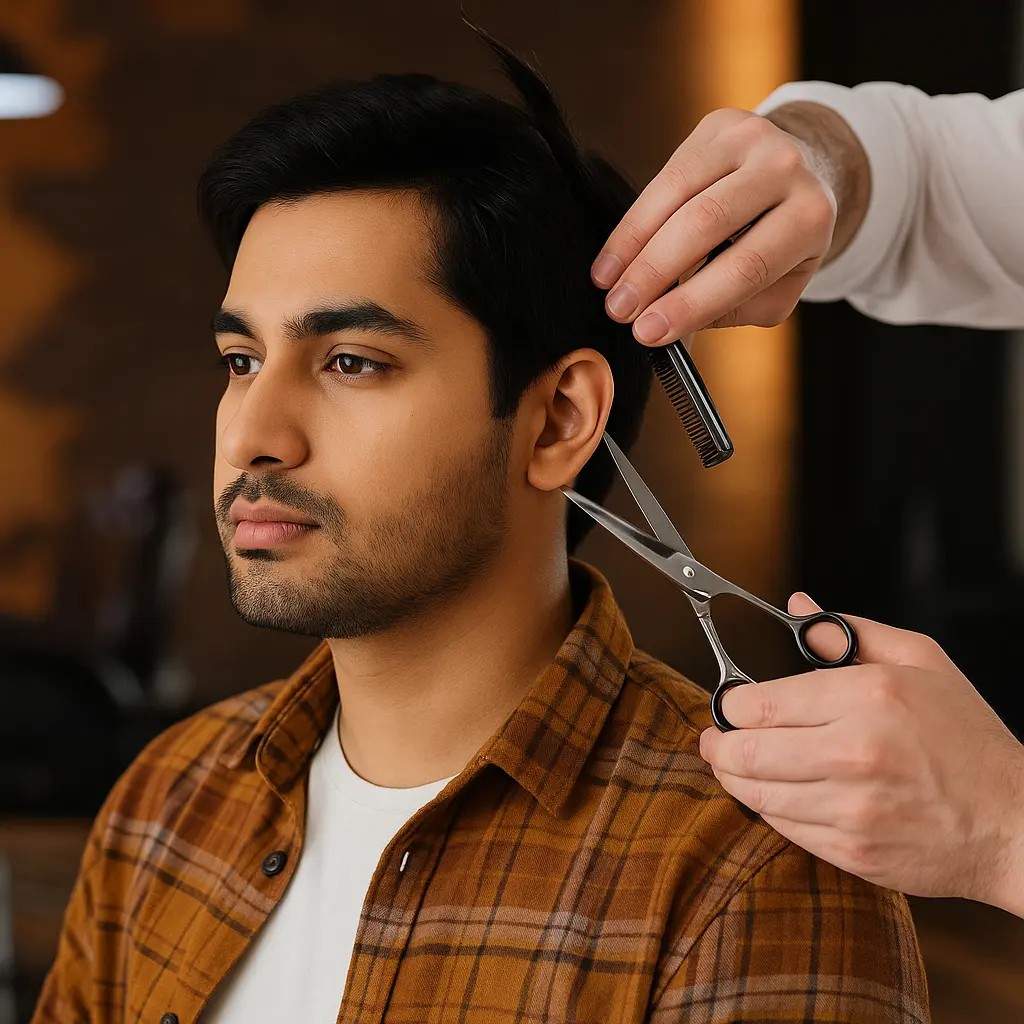
Noticing thinning hair in the mirror can instantly kill your vibe — especially before a big date or a family gathering. That stubborn patch staring back at you can ruin your mood and spike your stress in seconds. And in most cases, you can thank one notorious hormone for it — DHT.
Scientists have spent years studying what really causes male pattern baldness and how to treat it effectively. Yet, despite all the research, there’s still so much to uncover about how this hormone quietly sabotages men’s hairlines and of course confidence.
When men start noticing thinning hair or a receding hairline, one question inevitably arises — “What’s the best way to stop this?”
Two of the most popular solutions you’ll come across are Finasteride and DHT blockers. Both claim to target the same culprit behind hair loss — DHT (dihydrotestosterone) — but they work differently, and understanding those differences is key to choosing what’s right for you.
Let’s break it down — science, results, and side effects — so you can make a smarter call for your hair and hormone health.
DHT is a natural byproduct of testosterone — a potent hormone that gives men their strength, drive, and masculine features.
However, in genetically prone men, DHT binds to hair follicles (especially around the crown and temples), causing them to shrink over time. This process, known as miniaturisation, leads to thinner strands, slower growth, and eventually, hair loss.

So, the real solution isn’t just boosting hair growth — it’s managing DHT without disrupting the balance of your overall hormones.
Finasteride is a clinically approved medication that reduces DHT levels in the scalp and bloodstream by inhibiting the enzyme 5-alpha reductase — the one responsible for converting testosterone into DHT.
This makes it highly effective for men dealing with androgenetic alopecia (male pattern baldness).
How it works:
Blocks up to 70% of DHT production.
Helps slow, stop, or even reverse hair thinning in most men.
Works best when used consistently for at least 3–6 months.
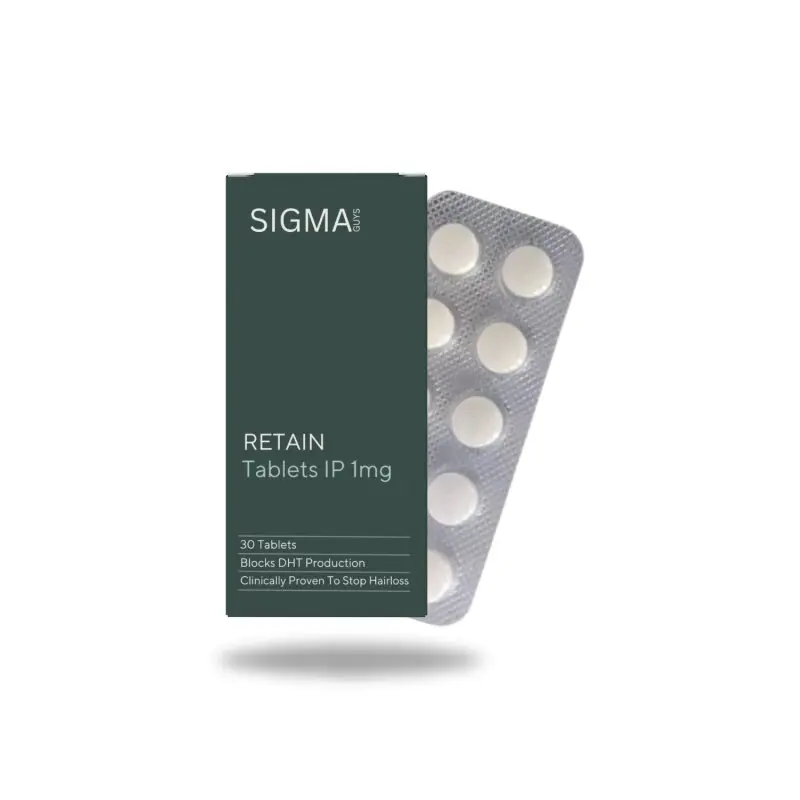
Pros:
Scientifically proven to regrow hair.
Easy to take (usually one tablet daily).
Improves hair density and reduces shedding.
Cons:
Possible hormonal side effects like decreased libido or mood changes (rare but notable).
Works only while you continue using it — stopping may reverse the gains.
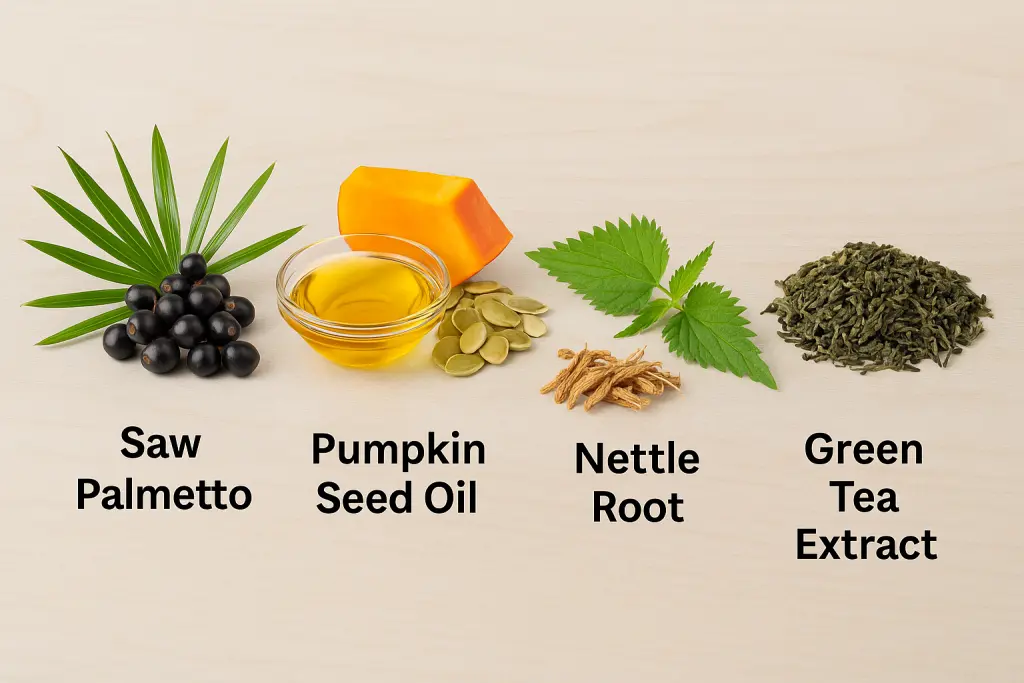
DHT blockers, on the other hand, are plant-based or nutraceutical formulations that aim to limit DHT’s effects naturally — without altering testosterone production drastically.
Common ingredients include saw palmetto, pumpkin seed oil, nettle root, and green tea extract.
How they work:
Gently inhibit DHT formation or binding at the follicle level.
Support scalp health, circulation, and hair nourishment.
Can be used with or without prescription meds for extra support.
Pros:
Fewer side effects.
Supports hormonal balance holistically.
Safe for long-term use and can be combined with other treatments like Minoxidil or microneedling.
Cons:
Results are slower and less dramatic than Finasteride.
Quality varies depending on formulation and consistency.
If you’re after maximum regrowth and clinically proven results, Finasteride remains the strongest weapon in your arsenal.
But if you prefer a natural, hormone-friendly approach with fewer side effects, DHT blockers (like herbal blends or supplements) can be a great long-term ally.
For many men, the ideal strategy lies in combining both — using Finasteride to reduce systemic DHT and adding a topical or natural blocker to protect the scalp environment and promote healthier regrowth.
No treatment works in isolation.
To truly see visible results, support your hair and hormones through:
High-protein diet (for keratin production).
Zinc and biotin-rich foods (for follicle strength).
Stress management and proper sleep (since cortisol impacts DHT levels).
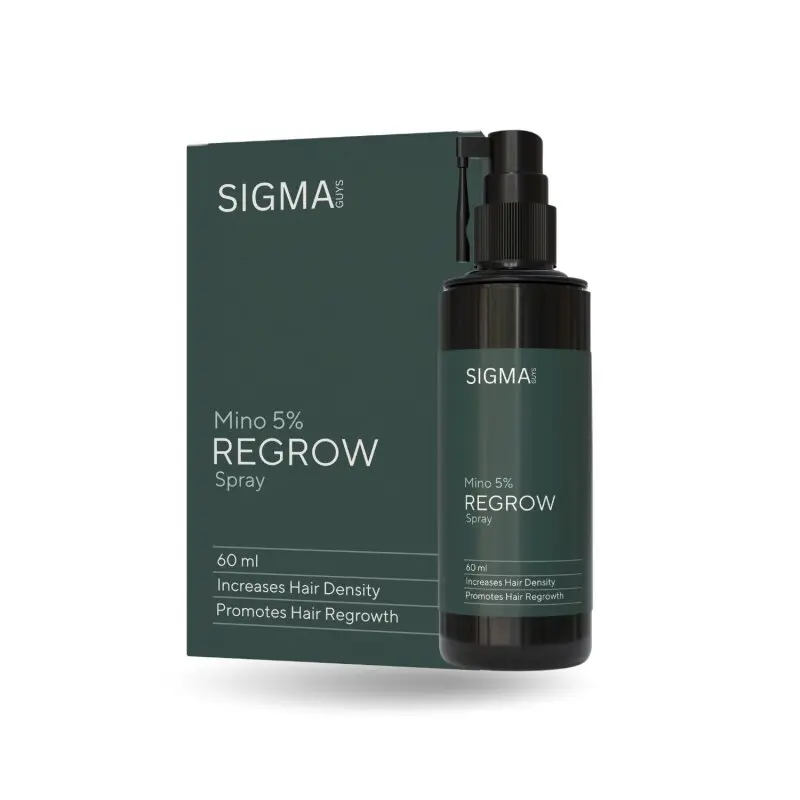
And for men looking to combine science and nature, Sigma Guys Retain Tablets and Regrow 5% Spray offer a powerful duo — targeting DHT internally and boosting follicle activity externally.
Hair loss isn’t just about vanity — it’s about confidence, identity, and health.
Whether you choose Finasteride, natural DHT blockers, or both, consistency is what wins the game.
The goal isn’t just to keep your hair — it’s to keep your hormones, energy, and masculinity thriving.
Because real confidence doesn’t come from hiding hair loss — it comes from taking control of it.